











In 2025, the release of DeepSeek’s open-source large model significantly lowered the barrier to AI technology, providing businesses with low-cost, high-precision natural language processing and intelligent process automation solutions. Various industries have launched vertical application scenarios based on AI, and at the core of it all is a key technology—the AI Agent.
What is an AI Agent?
The AI Agent is not an entirely new concept, but with the rapid development of large language models (LLMs), its essence has undergone fundamental changes. OpenAI proposed a five-level evolution model for artificial intelligence, starting from the initial chatbot (L1), gradually advancing to reasoning capabilities (L2), and finally achieving a true AI Agent (L3 and above).
According to the definition by Lilian Weng, OpenAI’s Research Director, an AI Agent is “a system driven by a large language model as its brain, capable of autonomous understanding, perception, planning, memory, and tool usage, able to automate the execution of complex tasks.” She also proposed a classic formula:
AI Agent = LLM + Planning + Memory + Tool
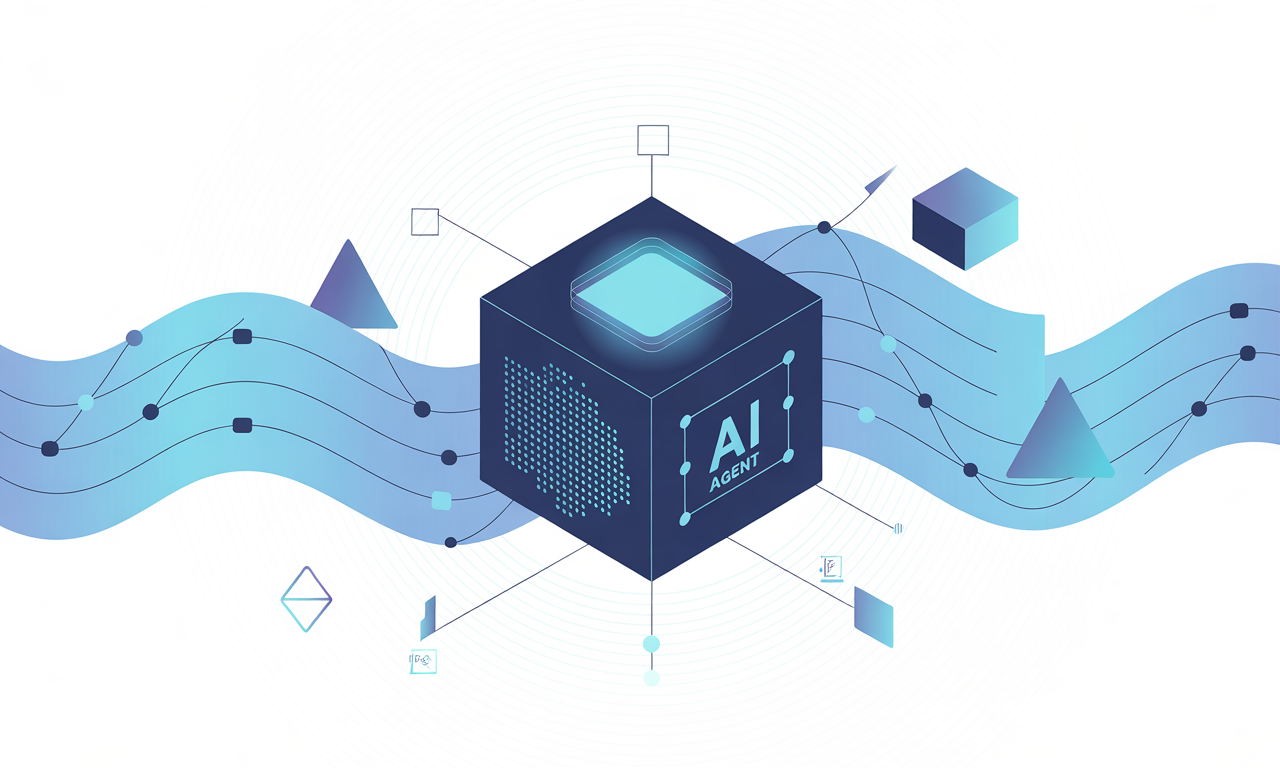
This means that the booming AI applications in various industries today are essentially concrete implementations of AI Agents.
Why Choose AI Agents?
Empowerment by Large Language Models
LLMs bring powerful language understanding and generation capabilities, enabling AI to parse complex instructions, perform logical reasoning, break down task objectives, and even adapt to new environments through few-shot learning. These capabilities form the core foundation of AI Agents.
Breaking the Limitations of Traditional Software
Traditional software relies on predefined rules, lacking flexibility and autonomous learning capabilities. AI Agents not only understand human intentions but also collaborate with other agents, fundamentally changing the way humans and machines interact.
Tool Usage and Environmental Perception
AI Agents can integrate external tools such as sensors and APIs to achieve a “perception-decision-execution” closed loop, significantly enhancing the complexity and autonomy of task processing, evolving from dialogue tools to intelligent hubs.
Reducing Development and Implementation Costs
With AI Agents, businesses can quickly build scenario-based AI applications, significantly lowering the threshold for using large models and reducing development costs.
Practical Case of AI Agents in the Foreign Trade Industry (Hong Kong Application)

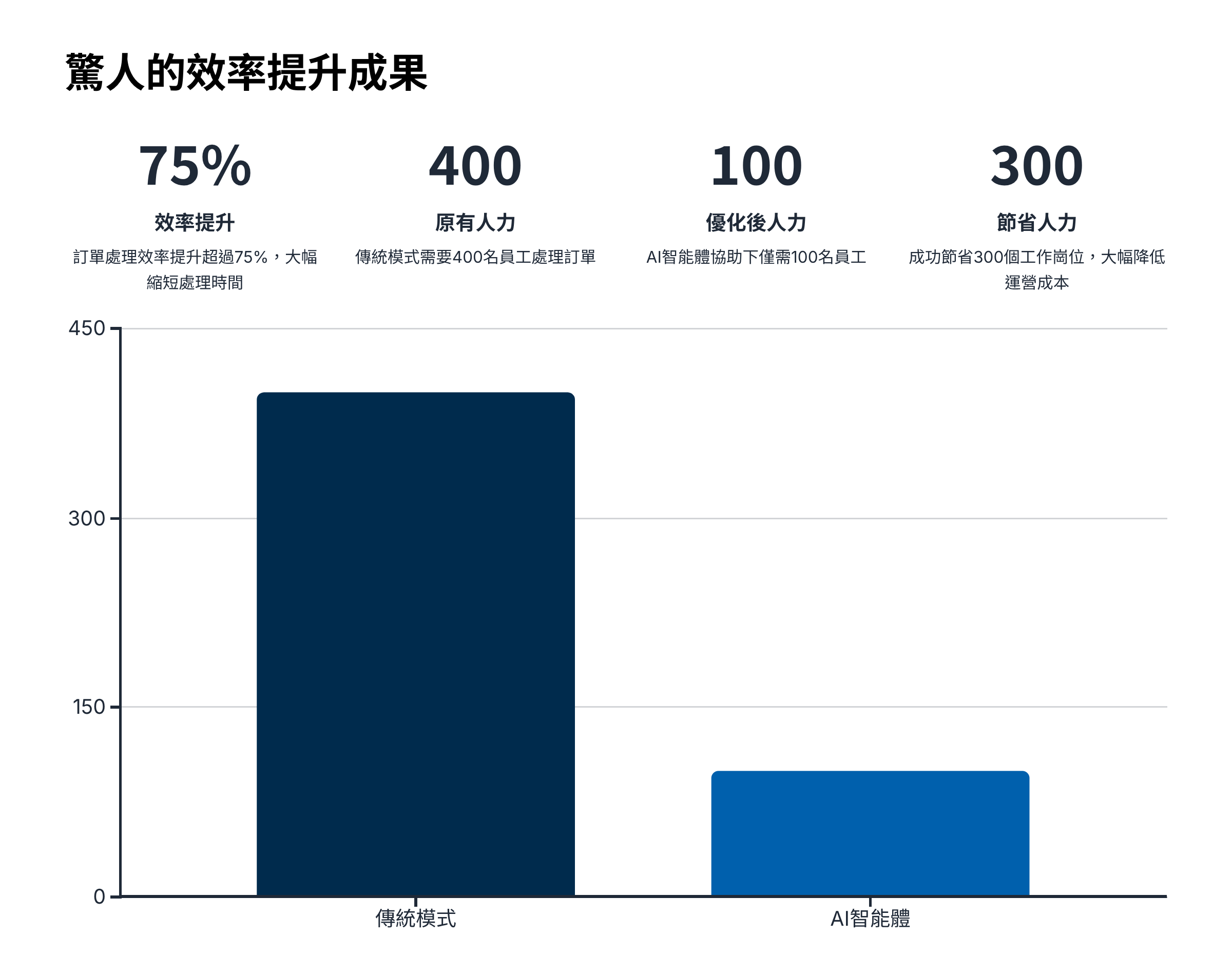
Foreign trade order processing has always been a highly labor-intensive task. For example, one of the world’s top three supply chain companies had a department of over 400 employees responsible for receiving orders from various channels such as email, fax, and WhatsApp, and manually entering them into the system. Orders came in various formats, including POs, contracts, and customized emails, making it difficult for traditional software to handle them efficiently.
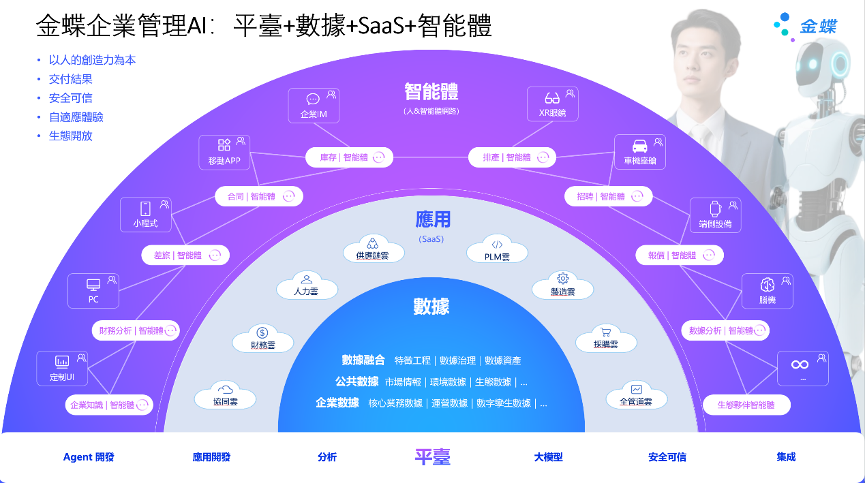
By leveraging Kingdee’s Cosmic AI Agent platform and DeepSeek’s LLM capabilities, we developed an AI Agent for foreign trade order processing, achieving the following breakthroughs:
- Multi-format Information Extraction: Using LLM and OCR technology, it intelligently parses order content in various formats such as emails, PDFs, Word documents, and images, extracting key information such as customer names, delivery addresses, and product details.
- Automated PO Generation: The sorted data can directly call the ERP system’s API to generate purchase orders, which are then confirmed manually to complete the end-to-end automation process.
Preliminary estimates show that this AI Agent improves order processing efficiency by over 75%, reducing the workforce from 400 to 100 people and significantly lowering operational costs.