
In the digital era, AI is no longer an option but an inevitable trend for business development. Faced with intensifying global competition, increasing data complexity, and evolving consumer demands, traditional tools can no longer meet the needs of modern enterprises.
The volume and complexity of enterprise data are growing exponentially, including structured data (such as sales data in ERP systems) and unstructured data (such as social media comments and image files). Traditional tools and methods are unable to effectively process this data, primarily manifested in the following aspects:
Traditional tools require manual intervention, resulting in slow processing speeds and a high risk of missing critical business opportunities.
Even if ERP systems integrate vast amounts of business data, traditional methods struggle to extract deep insights from it.
Traditional tools lack real-time responsiveness, making it difficult to quickly adapt to rapidly changing market demands.
Traditional market segmentation methods are too broad and simplistic, making it difficult to provide customized services for each individual customer. By analyzing consumer behavior data, AI can predict the needs of each customer and deliver personalized product recommendations or marketing strategies.
Consumers now expect immediate solutions to their problems, but traditional customer service methods often involve waiting in queues, delays, and even multiple rounds of back-and-forth communication, which wastes time and causes frustration. AI-powered customer service acts like an always-on assistant, capable of instantly answering customer inquiries—not only quickly but also accurately resolving issues. This makes customers feel cared for and efficiently served, naturally enhancing their overall experience.
AI can quickly analyze correlation patterns within data, uncovering business opportunities that traditional tools fail to detect. For example, by analyzing inventory and market demand data, AI can identify optimal inventory management strategies.
AI can leverage historical data and external environmental factors to predict future market trends or business risks. For instance, it can forecast upcoming demand peaks, enabling enterprises to prepare inventory in advance.
AI not only provides data analysis results but also offers concrete decision-making recommendations based on these insights. For example, it can suggest optimal pricing strategies or supplier selection.
In a business environment full of uncertainties (such as pandemics, supply chain disruptions, geopolitical risks, etc.), enterprises require greater flexibility and risk resilience. AI can help businesses quickly respond to these challenges:
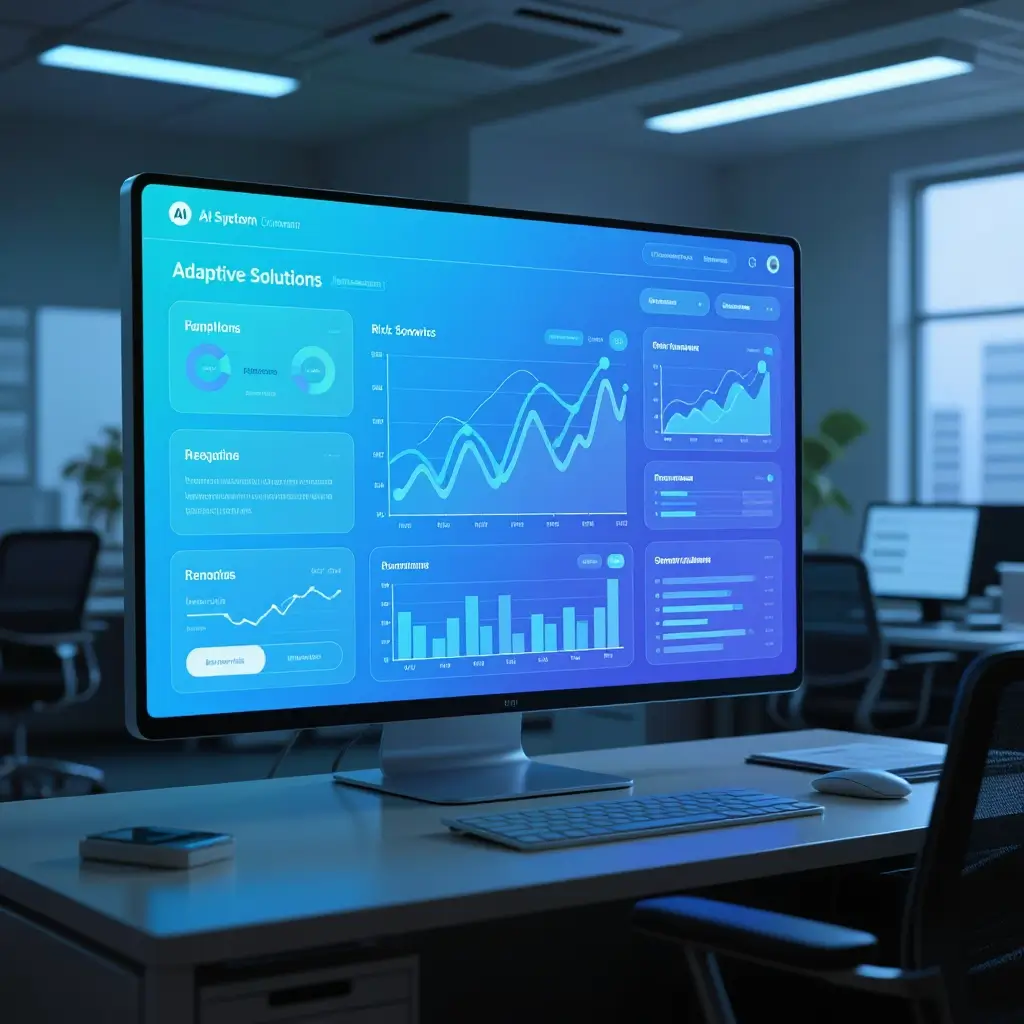
The most practical challenge is this: Global enterprises are adopting AI technology at an astonishing pace. If your competitors have already automated, personalized, and optimized their operations using AI, while your business remains reliant on traditional tools, you will not only fall behind in efficiency but could also rapidly lose market competitiveness. Now is the critical moment to embrace AI—otherwise, you may find yourself struggling to catch up in an increasingly fierce market.
AI can help enterprises reduce operational costs. If your competitors use AI to optimize their supply chains while your costs remain high, it will be difficult to compete with them.
AI can help enterprises respond faster to market demands. If your competitors can launch new products within days while it takes you months, market share will be rapidly captured by them.
AI can help enterprises rapidly launch innovative products and services. If your competitors have already used AI to create disruptive products while you remain stuck in traditional models, you will be marginalized in the market.

The integration of artificial intelligence (AI) and enterprise development has far surpassed the stage of discussing “whether it is necessary” and has fully entered a critical period of strategic execution focused on “how to deploy applications faster and more efficiently.” As leading global companies deeply embed AI into core business areas—from customer service and operational processes to data analysis and strategic decision-making—an enterprise’s ability to rapidly deploy, effectively integrate, and fully leverage the potential of AI technology has become the most critical factor in securing future success and building an unshakable competitive advantage. This is not just a technological race but also a business model revolution concerning agility, innovation, and future survival. Enterprises that successfully implement AI applications will be the first to achieve cost reduction and efficiency improvement, discover new growth trajectories, and stand out in an intensely competitive market landscape.
The adoption of AI has brought revolutionary changes to enterprises, transforming past challenges into today’s powerful potential and competitive advantages. The following table clearly illustrates the key differences in this transformation:
| Comparison Item | Before Implementation (Traditional Mode) | After Implementation (AI-Driven Mode) |
|---|---|---|
| Process Efficiency |
Manual processes, Inefficient
Highly reliant on manual operations, time-consuming and prone to errors. For example, processing a complex report may take several hours or even days, with an error rate of approximately 10%. |
Intelligent Automation, Process Optimization
AI automates repetitive tasks, significantly improving output efficiency. For example, the same report can now be generated in just a few hours, with the error rate reduced to below 1%. |
| Data Analysis |
Slow Manual Analysis & Reporting
Data collection and analysis takes a long time, which delays decision-making. Often, only post-analysis is possible, making it impossible to predict future trends. |
Instant AI Insights Intelligent Analysis
AI provides real-time data insights and responses within seconds. It can mine trends from massive amounts of data through AI algorithms, improving decision-making speed and accuracy. |
| Decision-making Model |
Reactive, Lack of Prediction
Can only respond to problems that have already occurred, missing market opportunities. For example, by the time competitors have launched new products, we are just beginning research and development. |
Active Prediction Forward-looking Strategy
AI predicts market changes and customer needs, enabling proactive measures to be taken 3–6 months in advance, seizing market opportunities early. |
| Cost Management |
High Cost Waste, Dispersed Resources
Overproduction, inventory backlog, and high labor costs lead to a 10–20% increase in operational expenses. |
Precision Optimization, Efficient Resource Allocation
AI optimizes supply chains and production, significantly reducing costs, saving an average of 25% in operational expenses, and improving profit margins. |
| Customer Service |
Standardization, Lack of Personalization
Uniform service processes fail to meet customers’ differentiated needs, resulting in overall lower customer satisfaction. |
Intelligent Recommendation, Personalized Experience
AI analyzes customer behavior to provide personalized products and services, increasing customer satisfaction to over 90% and effectively improving retention rates. |
| Risk Management |
Reactive Response, Leading to Expanded Losses
Remedial measures are only taken after risk events occur, often resulting in irreversible losses. |
Early Warning Prevention, Effective Avoidance
AI risk monitoring and early warning identify potential risks in advance, prevent significant losses, and protect corporate assets. |
| Market Response |
Slow Response, Missed Opportunities, Weak Competitiveness
Failing to promptly capture market changes leads to a gradual loss of market share and a chain reaction of delayed responses. |
Quickly Seize Opportunities, Lead the Competition
AI empowers enterprises to make rapid decisions and take action, enabling them to quickly capitalize on new market opportunities, stay ahead of competitors, and strengthen first-mover advantages. |
This shift from “labor-intensive” to “intelligence-driven” demonstrates that AI is not merely an efficiency tool but a critical enabler for enterprises to achieve sustainable growth and market leadership.
Kingdee ERP is a highly flexible and comprehensive enterprise resource planning system that covers multiple modules, including financial management, supply chain management, production planning, human resource management (HRM), and customer relationship management (CRM). As the data hub of an enterprise, Kingdee ERP not only helps integrate business data but also enables process automation and cross-departmental collaboration, significantly enhancing operational efficiency.
However, with the explosive growth of enterprise data, relying solely on traditional ERP systems can no longer fully unlock the value of data. For example, how can we predict market demand from vast amounts of business data? How can we quickly identify potential risks in the supply chain? How can we enhance customer experience? These challenges require the integration of AI to address them effectively.
Automated report generation, budget and cash flow forecasting, and abnormal transaction detection. AI can automatically aggregate financial data, generate accurate financial statements, and provide intelligent analysis to help financial personnel quickly identify issues.
Demand forecasting and replenishment suggestions, supplier evaluation and selection, logistics route optimization. AI can provide accurate demand predictions for enterprises based on historical sales data, seasonal variations, and market trends.
Employee turnover risk prediction, intelligent recruitment and matching, training needs analysis. AI analyzes employee working hours, performance, compensation, and satisfaction data to predict the risk of employee turnover.
Customer behavior analysis, intelligent marketing recommendations, and AI-powered customer service. AI can analyze customers' purchase history and interaction data to predict their needs and provide personalized suggestions.
Kingdee has integrated generative AI into its enterprise management tools, enabling users to complete tasks such as data queries, report generation, and process management through conversations with AI assistants. Additionally, Kingdee is actively advancing the adoption of Internet of Things (IoT) and edge computing technologies, allowing ERP systems to process data from production equipment and sensors in real time.
With the rapid advancement of artificial intelligence (AI) technology, the deep integration of AI and ERP systems has become a core engine for enterprise digital transformation. As a leader in enterprise management software, Kingdee is actively infusing AI technology into its product matrix, providing intelligent solutions tailored to businesses of different scales. This accelerates the implementation of AI applications in key areas such as intelligent finance, predictive analytics, and process automation.
Leveraging its comprehensive cloud product suite, Kingdee builds robust digital infrastructure for enterprises of all types and enables the seamless integration of AI technologies. Specifically, its product portfolio includes:
For Large Enterprises: Kingdee Cloud Cosmic
As an enterprise-grade, composable PaaS platform, it serves as Kingdee’s strategic core.
It offers open AI and data middle platforms, enabling large enterprises to extensively customize and deeply integrate complex AI use cases.
It supports intelligent decision-making, robotic process automation (RPA), and more, building an intelligent enterprise operations brain.
For Growth-stage Enterprises: Kingdee Cloud Galaxy
It is a leading SaaS ERP solution for growth-stage enterprises in China.
It comes with built-in AI applications—such as intelligent expense auditing, smart capacity forecasting, and data analytics alerts—ready to use out of the box.
It helps mid-sized enterprises quickly realize the benefits of AI-driven, integrated business–finance management at lower cost.
For Small and Micro Enterprises: Kingdee Cloud Stellar
A lightweight, easy-to-use, and cost-effective finance and purchase–sales–inventory (PSI) management solution for small and micro businesses.
It integrates lightweight AI applications—such as intelligent bookkeeping, invoice/receipt recognition, and voice input—significantly improving day-to-day operational efficiency.
It significantly lowers the barriers for small and micro enterprises to adopt digital and intelligent management.
Kingdee’s AI-driven ERP solutions are revolutionizing enterprise operating models. Enterprises of all sizes can leverage Kingdee’s intelligent platform to automate business processes and, by harnessing data insights and predictive models, make faster and more precise strategic decisions in a rapidly changing market—ultimately achieving sustained growth and innovation.
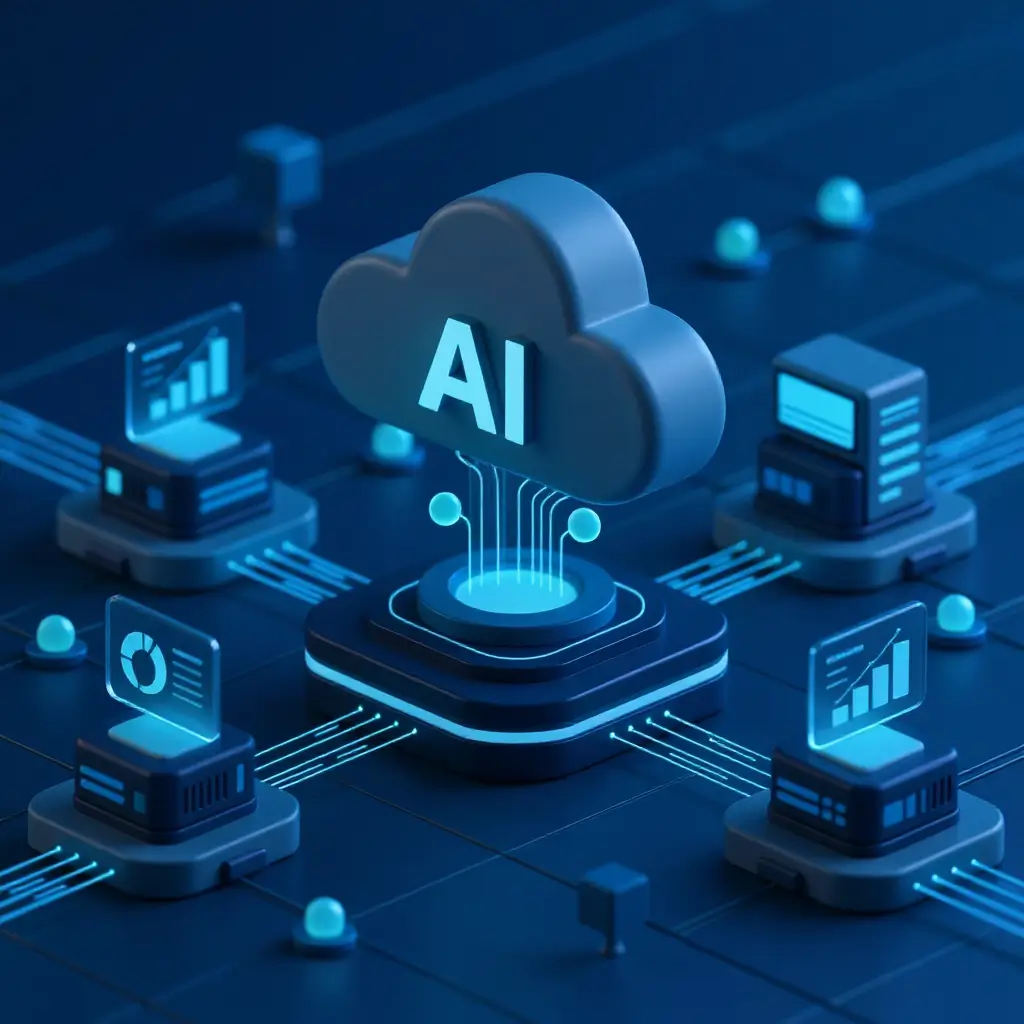
By applying AI, Kingdee infuses ERP with an intelligent core, making every enterprise decision more efficient and precise. In the digital economy, the integration of AI and ERP is not only a technological revolution, but also a fundamental transformation of business operating models.
If you have any questions, please call us at (852) 2157 9390. Our consultant will give you the best solutions for Digital Transformation.
當您訪問我們的網站時,我們可能會使用cookies和類似的追踪技術。這些技術是為了確保網站正常運作、提供更好的用戶體驗以及為您量身定制的內容和廣告而存在的。通過繼續瀏覽我們的網站,即表示您同意我們使用這些cookies。
When accessing our website, cookies and similar tracking technologies may be employed. These technologies are utilized to ensure the optimal functionality of the website, enhance user experience, and customize content and advertisements to suit your preferences. Your continued use of our website implies your consent to the utilization of these cookies and tracking technologies.